The operator of what prosecutors describe as Munich’s largest brothel is facing trial after allegedly obtaining hundreds of thousands of euros in government pandemic assistance through false information.
Chris N., 44, applied for approximately €1.2 million in state support during the Covid-19 pandemic, according to the prosecution. The money was reportedly intended to finance renovation work at his brothel, but investigators claim the applications did not accurately reflect the financial situation of his businesses.
Around €700,000 was ultimately paid out by the Free State of Bavaria. Prosecutors allege that approximately €500,000 in revenue had been concealed when the applications for financial assistance were submitted.
€700,000 Must Be Repaid
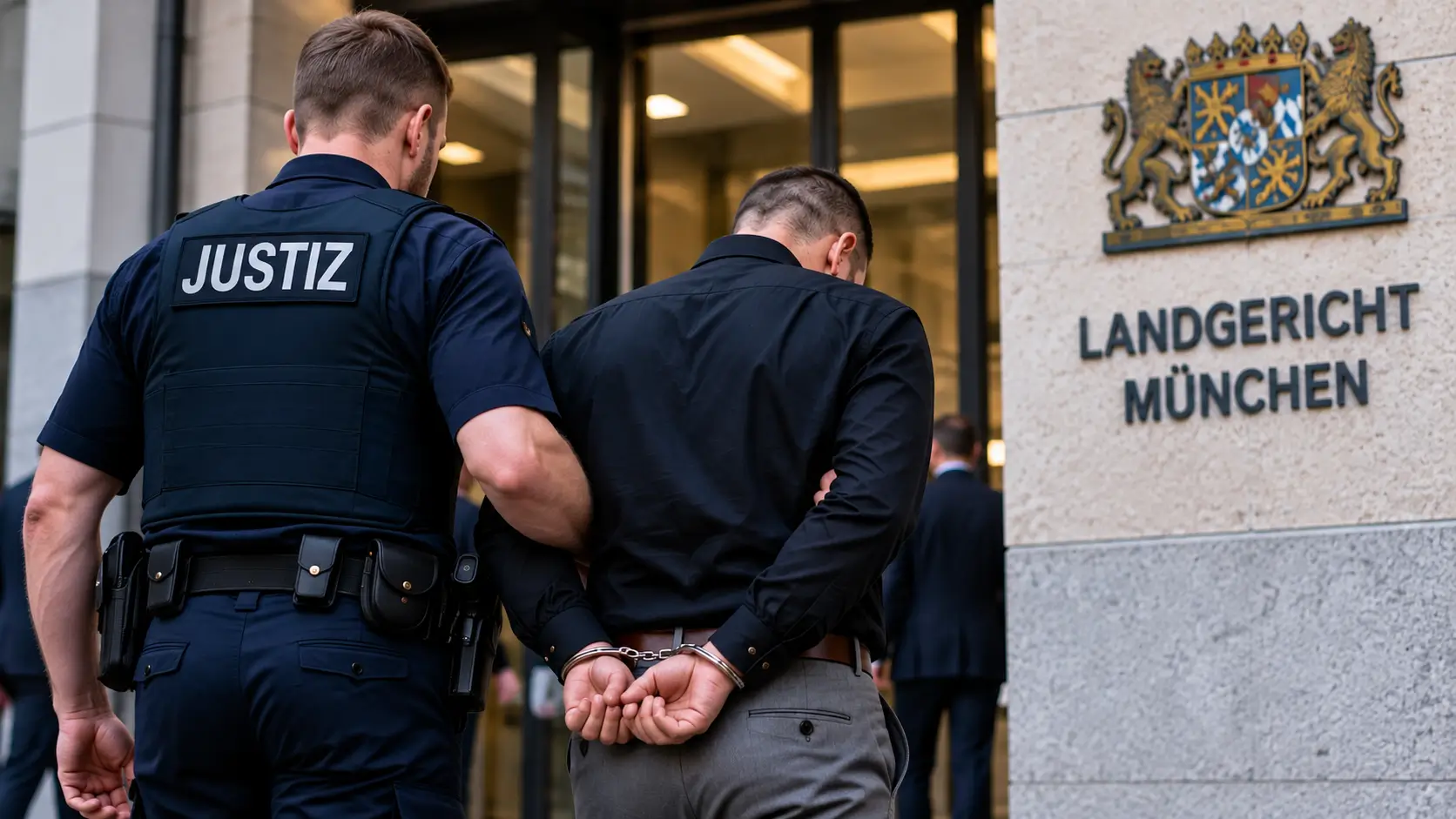
The case is now being heard at Munich Regional Court, where Chris N. is accused of subsidy fraud. According to the report, the defendant largely admitted the allegations through his lawyer, Andreas Remiger.
However, he disputes deliberately setting out to defraud the authorities. The distinction could become important when the court determines his responsibility and any potential sentence. The €700,000 already received is expected to be repaid.
A prison sentence is also possible if he is convicted of subsidy fraud.
Prosecutors Examine Company Structure
Investigators believe the case may involve more than incorrect figures on individual applications. According to the prosecution, Chris N. allegedly used a network of companies in a way that helped conceal the true level of revenue generated by his businesses.
The allegations are particularly notable because the financial assistance was provided during an extraordinary period for Germany’s nightlife and adult entertainment industries. Brothels and other businesses dependent on close personal contact were heavily affected by pandemic restrictions, creating serious financial pressure for legitimate operators and workers.
Government assistance was intended to help businesses survive those restrictions. The prosecution’s case therefore centres on whether Chris N. was actually entitled to the amount of support he requested and received.
Judge Previously Handled the Schuhbeck Case
The proceedings have also attracted attention because presiding judge Andrea Wagner has experience with another prominent pandemic-aid case. She previously sentenced celebrity chef Alfons Schuhbeck, whose legal problems also involved improperly obtained government assistance during the Covid era.
Prosecutors see similarities between the cases, particularly the allegation that complex company structures were used to obscure revenue. In Chris N.’s case, however, the court must determine the facts and his individual responsibility independently.
The defendant’s partial admission may simplify parts of the proceedings, but his insistence that he did not intentionally commit fraud leaves a central issue for the court to resolve.
For Munich’s red-light industry, the case is unusual not because a brothel operator received pandemic assistance, but because prosecutors allege that the financial information used to obtain that assistance was false. Legal adult businesses were entitled to operate within the same economic and legal framework as other businesses; the question before the court is whether those rules were deliberately abused to obtain hundreds of thousands of euros in public money.