Sex work in Cologne is increasingly moving away from traditional brothels and into private apartments, hotels and short-term rentals, according to former sex worker and industry representative Nicole Schulze. While working independently can reduce costs, she warns that the trend may also leave sex workers more vulnerable when dealing with potentially dangerous clients.
Schulze, 46, knows Cologne’s red-light scene from personal experience. She entered sex work in 2004 at the city’s well-known Geestemünderstraße street prostitution area and spent years working in the industry. Today, she serves as chairwoman of the German sex workers’ professional association and has watched the local market change dramatically.
Cologne Officially Has Just 17 Brothels
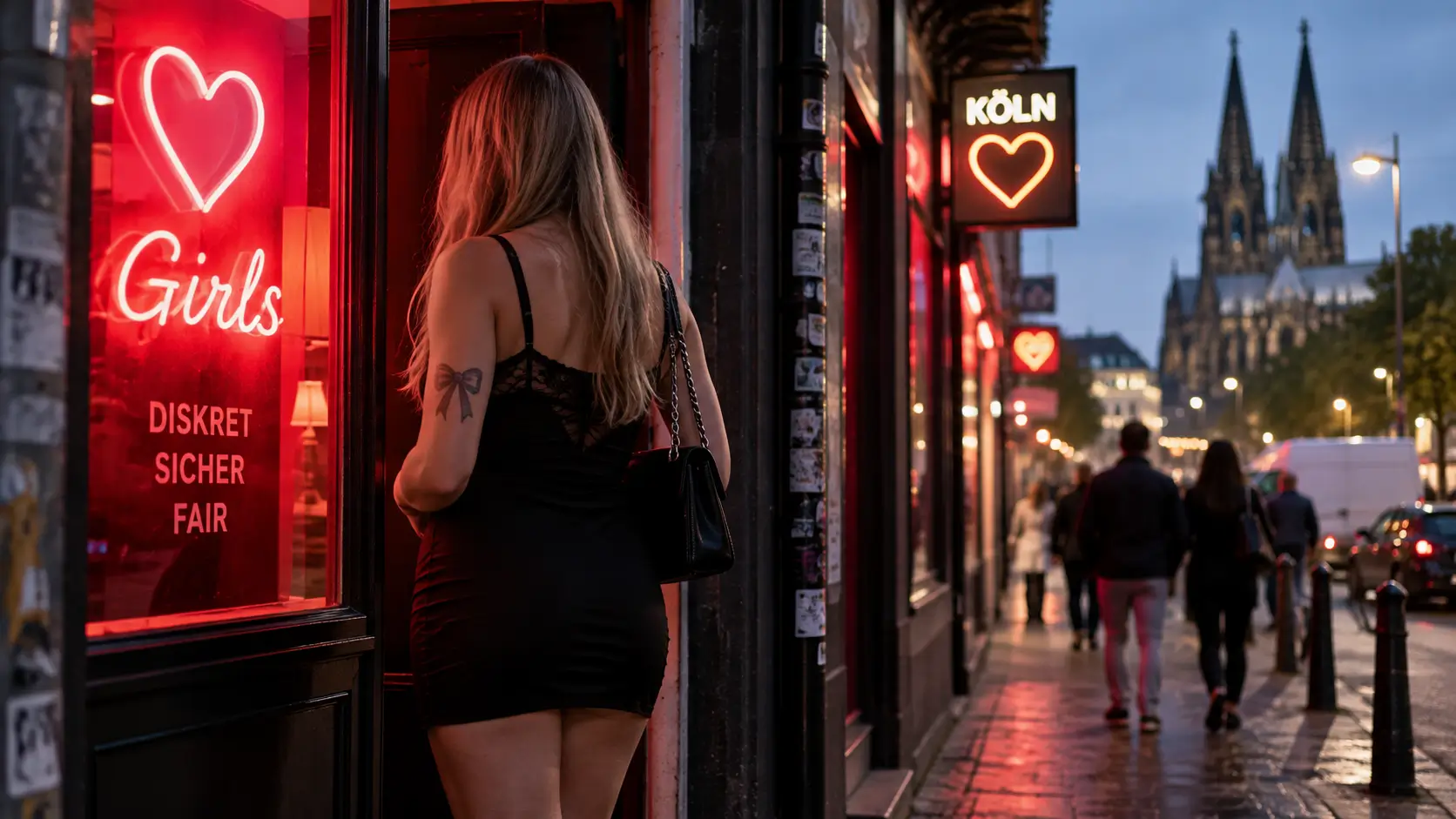
According to figures provided by the City of Cologne, only 17 brothels are currently officially licensed. Another eight businesses are registered in the category covering retail and erotic businesses, including sex shops.
Brothels in Germany require authorization under Section 12 of the Prostitute Protection Act, and operators must comply with a range of requirements. These include safety measures such as emergency buttons, escape routes and licensing obligations.
Schulze believes the official figures reveal only part of Cologne’s sex industry. She says a substantial amount of sex work has shifted away from conventional brothels since the introduction of the Prostitute Protection Act in 2017 and the subsequent Covid-19 pandemic.
Brothel Rooms Became Too Expensive
One major reason is financial. Meeting stricter regulatory requirements increased costs for brothel operators, and Schulze says some of those expenses were subsequently passed on to sex workers through higher room rents.
She experienced the increase herself while working in Trier. Before the new legislation, she says she paid €350 per week for a room. Afterwards, the landlord wanted €750.
For many workers, hotels, Airbnb accommodation or their own apartments consequently became financially more attractive. The difference becomes particularly significant when traditional establishments can charge daily room rents of between €150 and €180.
The pandemic accelerated the change. When brothels were ordered to close, some sex workers received little or no financial support and continued working privately because they still needed an income.
At the same time, the crisis taught many workers how to advertise themselves, communicate directly with clients and organize their businesses without relying on brothel management. According to Schulze, many never returned to traditional establishments after restrictions ended.
Private Sex Work Does Not Automatically Mean Illegal Work
Schulze stresses an important distinction: working privately does not automatically mean working illegally or avoiding taxes. Independent sex workers can operate privately while continuing to declare their income and meet their tax obligations.
Her main concern is instead personal safety.
Inside a properly managed brothel, other people are nearby and security measures may be available if a client becomes threatening. Someone receiving a client alone in a private apartment has fewer immediate options if an encounter turns dangerous.
Schulze warns that assaults may therefore be more difficult to prevent and that removing an aggressive client from a private home can be considerably harder without colleagues or security staff nearby.
Why Regulated Workplaces Still Matter
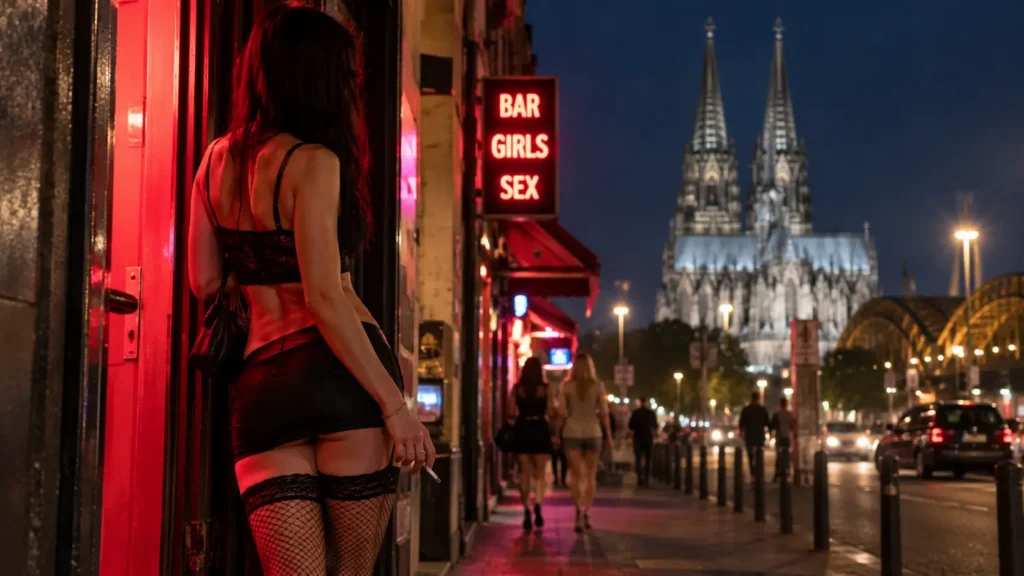
The situation highlights a difficult balance in sex-work regulation. Safety requirements such as emergency buttons, escape routes and licensing standards are intended to protect workers. But when complying with those rules significantly increases operating costs, higher prices can ultimately be transferred to the people renting rooms.
If those costs become too high, workers may leave regulated establishments altogether. The result can be paradoxical: regulations designed partly to improve safety may indirectly encourage some workers to operate in environments where fewer safety measures are available.
Schulze therefore also wants Cologne’s Geestemünderstraße prostitution area to remain open. She worked there for 14 years, and the site offers purpose-built boxes that sex workers can use free of charge. She fears that closing the location would simply push workers back towards less regulated and potentially more dangerous areas.
The wider German industry has still not returned to its pre-pandemic size. At the end of 2025, 32,474 sex workers were officially registered nationwide, up slightly from the previous year but considerably below the 40,400 registered in 2019. Germany also had 2,255 registered prostitution businesses, 93 percent of which were brothels or similar establishments.
Cologne’s experience suggests that the debate over sex-work regulation cannot focus solely on how strict the rules are. Affordability also matters: if regulated workplaces become financially inaccessible, some workers may choose cheaper alternatives that offer considerably less protection.