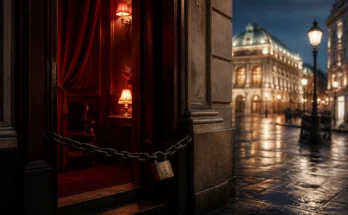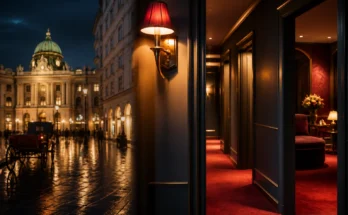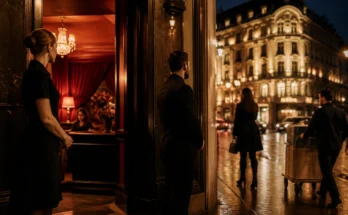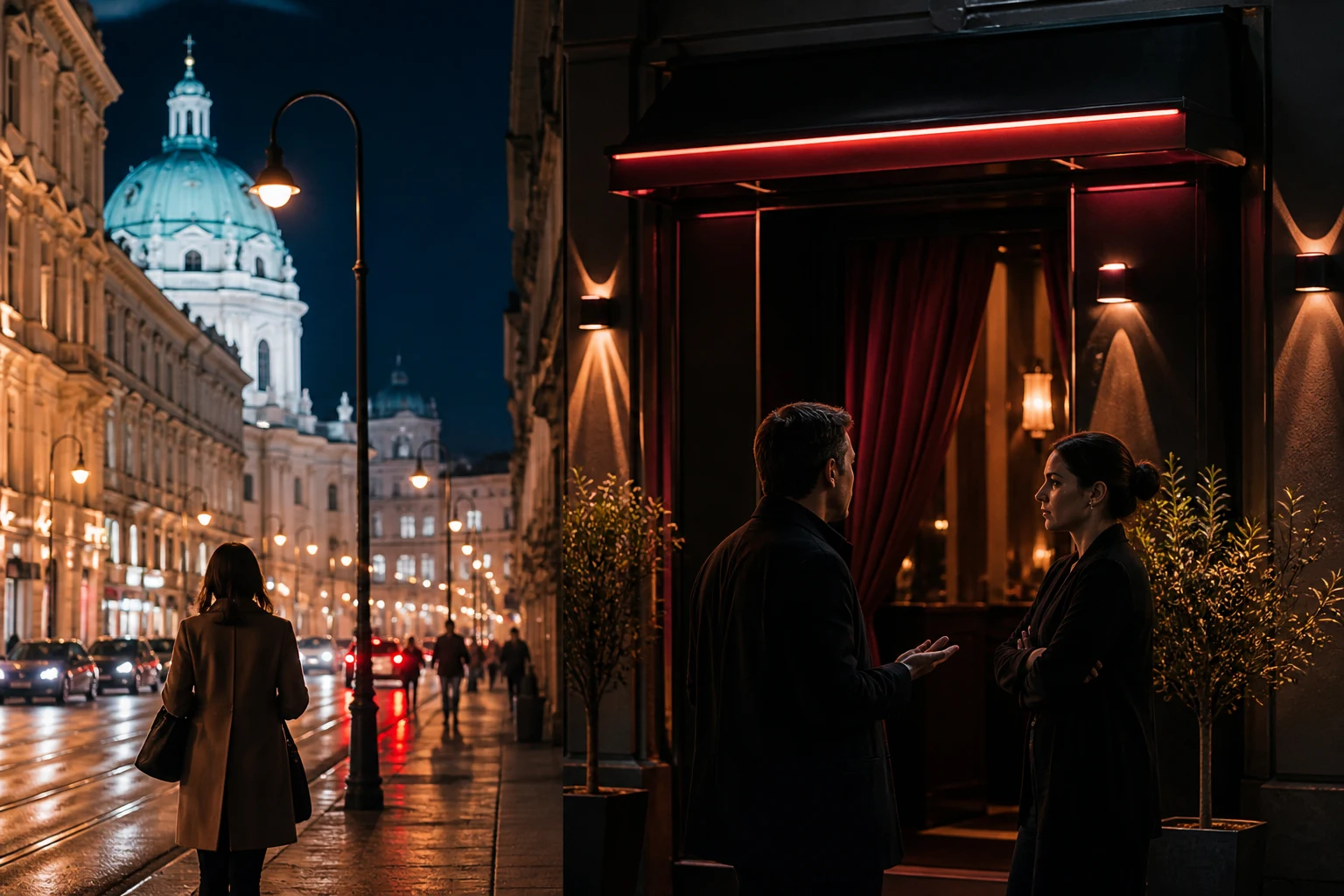
A brothel can be immaculate inside and still have a problem on the pavement. Neighbour complaints are the most persistent operational headache a Vienna venue faces, and they are rarely about what happens in the rooms.
They are about noise at two in the morning, parking, taxis, and the general question of what a residential street is willing to tolerate. Here is how houses actually manage that relationship.

What neighbours actually complain about
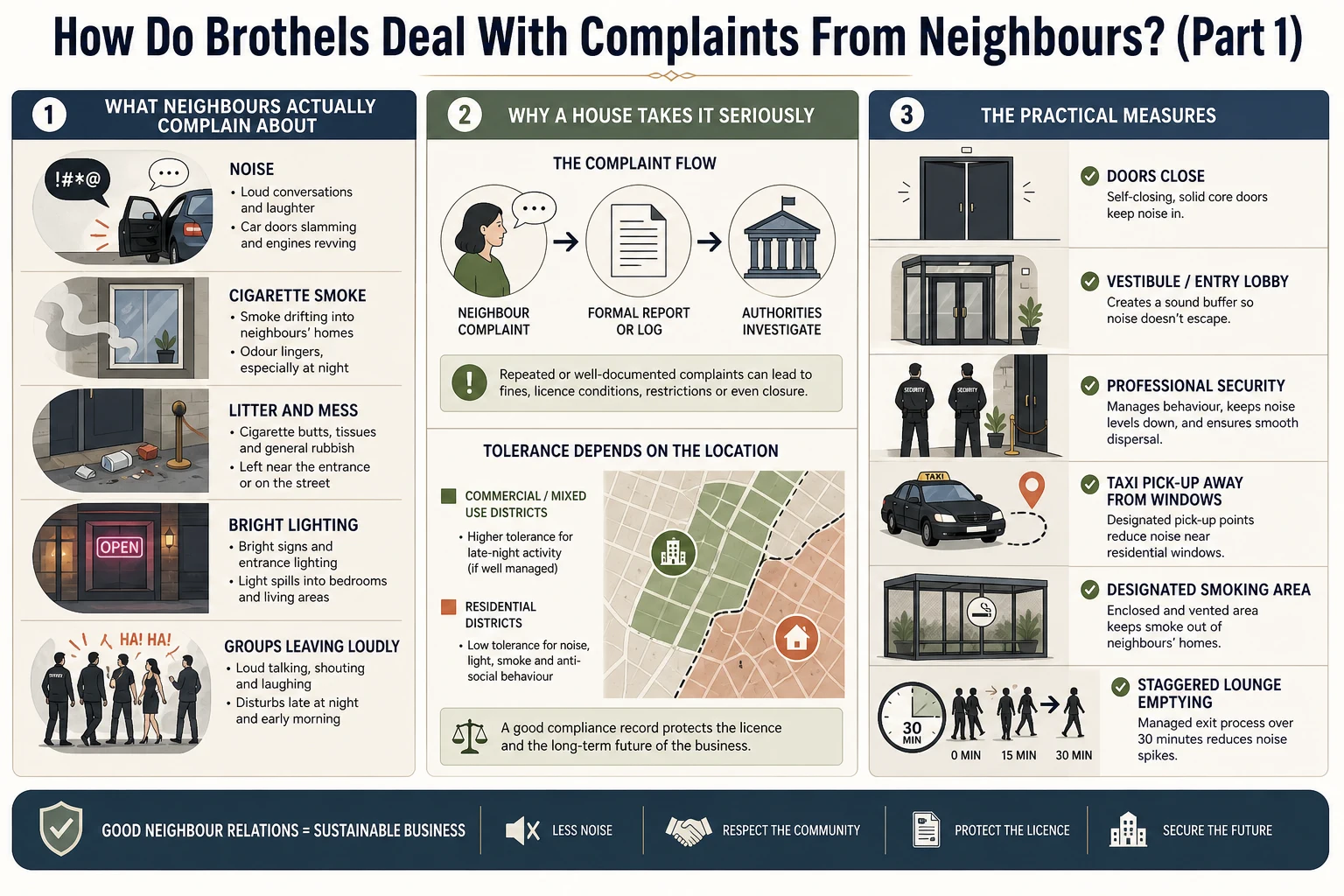
The pattern is consistent and mostly mundane. Voices on the street at closing time. Car doors. Groups that arrive loud and leave louder. Cigarette smoke drifting into a ground-floor window. Litter near the entrance. Occasionally lighting that spills where it should not, or a sign brighter than the street expects.
What almost never features is the activity itself, because it is invisible and soundproofed by the simple fact of being indoors. That mismatch matters: a venue that treats complaints as moral objections will handle them badly, while one that reads them as noise-management problems can usually fix them.
Why a house takes it seriously
Because complaints do not stay with the neighbour. They travel to the authorities, they get recorded, and they surface again when conditions attached to the premises are reviewed. A pattern of complaints from one address is one of the few things that can genuinely threaten an established operation, which is why experienced managers would rather lose a noisy group than accumulate a file.
That is also why the district a venue sits in shapes so much of its behaviour. Where the surroundings are commercial, the tolerance is wider; where the building is residential, everything tightens. We looked at the geography of this in why Vienna brothels are concentrated in certain districts, and at who receives complaints in who regulates brothels in Vienna.
The practical measures
Most of what works is unglamorous. Doors that close rather than stand open. An entrance vestibule so that street noise and interior noise never meet. Security staff positioned outside at closing rather than inside. Taxis called to a pick-up point down the street instead of directly under a bedroom window. Smoking moved to a courtyard or an enclosed area.
Then there is the timing work: emptying the lounge gradually over half an hour rather than all at once, which is the single most effective noise measure a house has. That is why the last part of the evening is managed rather than left to itself, a point we made in the context of licensed hours in why some Vienna brothels are open during the day.
Guests are part of the solution
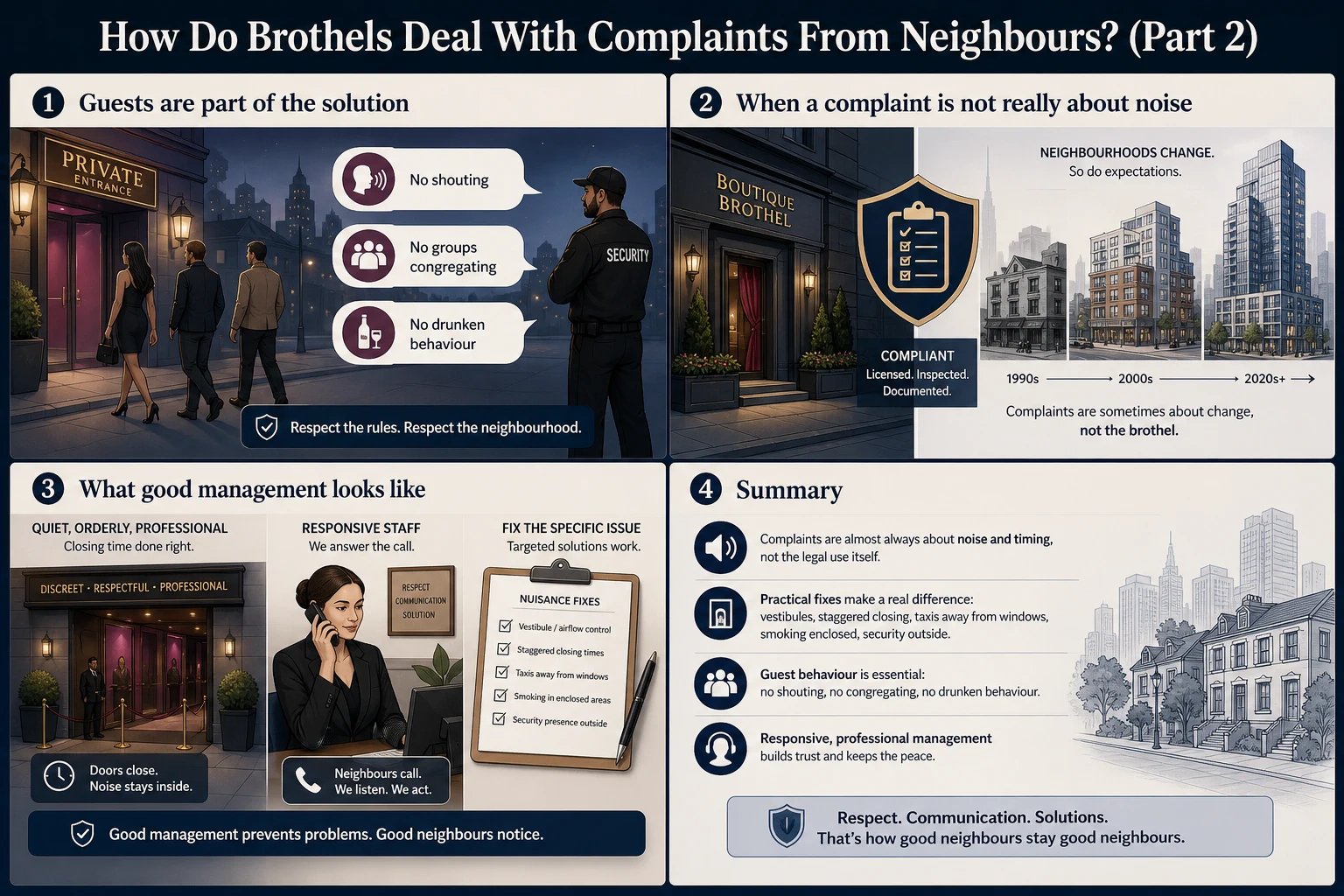
House rules that seem oddly strict about behaviour on the way out are usually the residue of an old complaint. No shouting in the street. No groups congregating at the door. No arriving visibly drunk, partly for the obvious reasons and partly because drunk guests are loud guests at one in the morning.
Security enforcing this is not being officious; it is protecting the licence. The logic behind the rulebook generally is covered in why brothels have house rules, and the staff side in how Vienna brothels handle security.
When a complaint is not really about noise
Some objections are about the existence of the venue rather than its volume, and those cannot be fixed by closing a door more quietly. A house in that situation has limited options: comply scrupulously with every condition, document everything, and stay on the right side of the record so that objections have nothing to attach to.
Meanwhile the districts themselves change around the venues. Areas that were red-light twenty years ago have been rebuilt, and the character of a street can shift faster than the businesses on it, as the redevelopment covered in the ex red-light district at Westbahnhof shows. Formal complaint routes and municipal responsibilities are listed at the City of Vienna.
What good management looks like
The houses that survive longest treat the street as a stakeholder. Somebody is reachable, complaints get a response rather than a shrug, and a specific nuisance gets a specific fix that the neighbour can see. It is cheaper than a dispute and far cheaper than a licence review, and it is the same instinct that makes a venue professional on the inside.
There is a quieter version of the same work that never involves a complaint at all. Long-established houses tend to know the building: who lives above the entrance, which window faces the smoking area, which flat has a small child. That knowledge is what allows a manager to solve a problem before anybody has to report it, by moving the pick-up point twenty metres or shifting the bins to a different morning. None of it appears in a policy document, and all of it is the difference between a venue that has been on the same street for fifteen years and one that spends its second year in meetings.
You can read it from outside, too: a quiet, orderly entrance at closing time says more about a house than its website does. We listed the other signals in how to spot a professional brothel.
The summary
Neighbour complaints in Vienna are about noise, timing and the pavement, almost never about what happens indoors. Houses take them seriously because complaints accumulate into a record that can threaten the permit itself. The fixes are practical rather than dramatic: vestibules, staggered closing, taxis called away from windows, smoking enclosed, security outside at the end of the night. Guests carry part of it, which is why the rules about leaving quietly exist. And a venue that answers its neighbours promptly is usually the same venue that runs everything else properly.